First past the post
A plurality in each district, and the well-documented consequences: manufactured majorities, a squeeze toward two parties, and large numbers of votes electing nobody.
One seat per district, a plurality suffices, and the arithmetic that follows — the seat bonus, the two-party squeeze, and the ballots that elect nobody — is unusually well documented.

Eight ways to turn votes into seats
Each row is a rule, what the rule rewards, one legislature that uses it, and the size of the district it fills — because district magnitude does more work than the formula name suggests.
| Rule | What it rewards | In use — chamber | Seats per district |
|---|---|---|---|
| First past the post | The largest single bloc in each district. Manufactures majorities from pluralities and squeezes the field toward two competitors. | United Kingdom, Commons Canada · India, Lok Sabha |
1 seat |
| Two-round system | Candidates acceptable to a second-round coalition. The bargaining happens between the rounds rather than on the paper. | France, National Assembly | 1 seat |
| Alternative vote | Broad acceptability in a single seat. Lowest candidate excluded, papers transferred to the next surviving preference, repeat. | Australia, House of Representatives |
1 seat |
| Single transferable vote | Individual candidates over party lists. A quota elects; surplus above it transfers at a reduced value, so few papers are wasted. | Ireland, Dáil Éireann Malta · Australian Senate |
3–5 seats |
| List PR — D’Hondtdivisors 1, 2, 3, 4… | Larger lists. The divisor sequence gives the last seats to the parties already holding several, so the biggest list is mildly over-rewarded. | Spain, Congreso Portugal, Assembleia |
varies |
| List PR — Sainte-Laguëdivisors 1, 3, 5, 7… | Nothing in particular, which is the point. The odd divisors track proportionality more closely and hand smaller lists their first seat sooner. | Norway · Sweden (modified first divisor) |
varies |
| Mixed-member proportional | Both a local member and a proportional chamber. List seats are allocated to compensate for whatever the district results distorted. | Germany, Bundestag New Zealand, since 1996 |
1 + list |
| Parallel — uncompensated | Two systems running side by side without correcting one another, so the district tier keeps its distortion in the final chamber. | Japan, House of Representatives |
1 + list |
Three entries worth reading first
One from the paper, one from the map, one from the order paper.

The secret ballot
A nineteenth-century invention with a specific purpose: an official paper, a screened booth, and the end of a public show of hands.
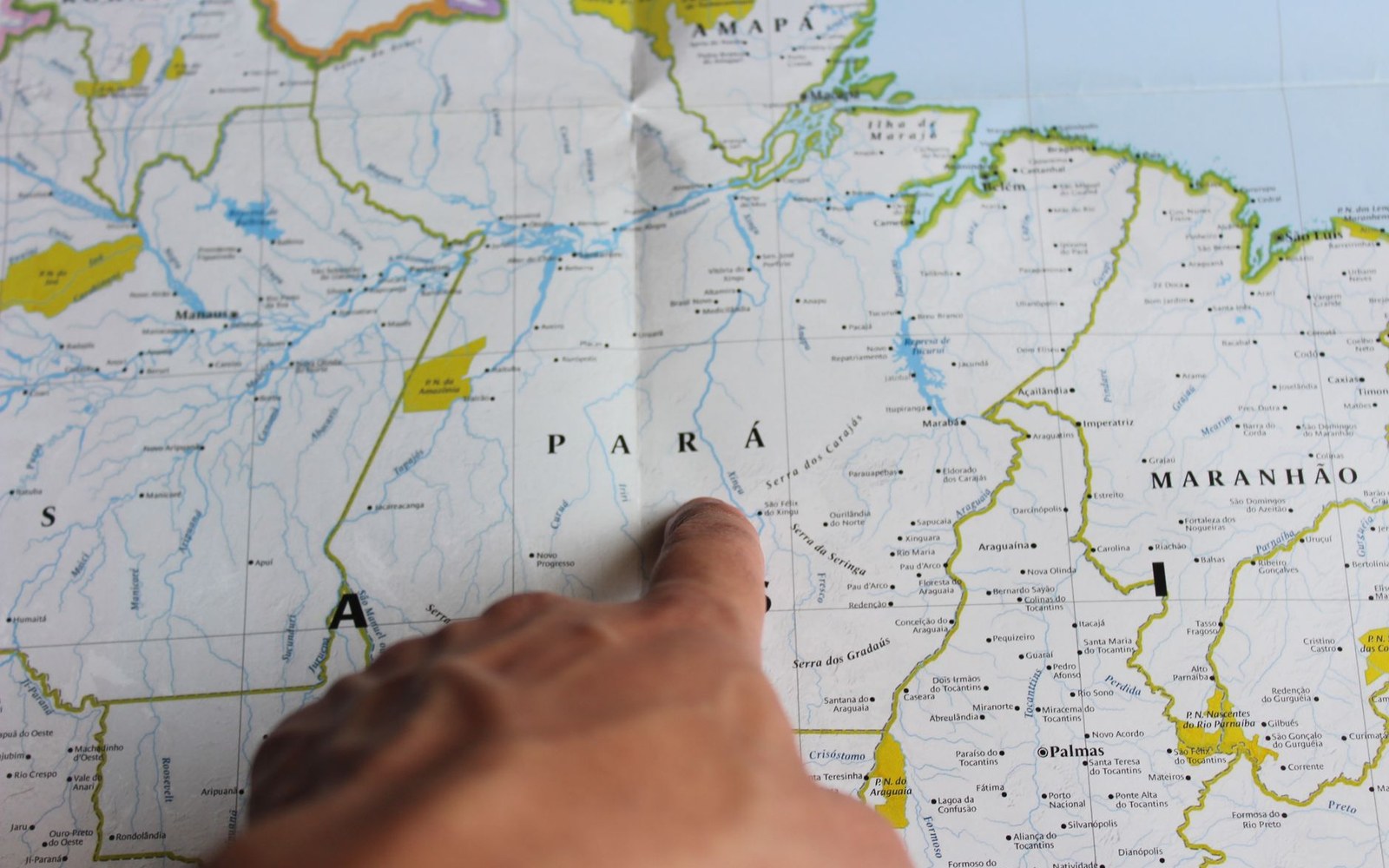
Packing and cracking
Concentrating opposing voters into few seats or splitting them across many — the two moves, and how each shows in the numbers.
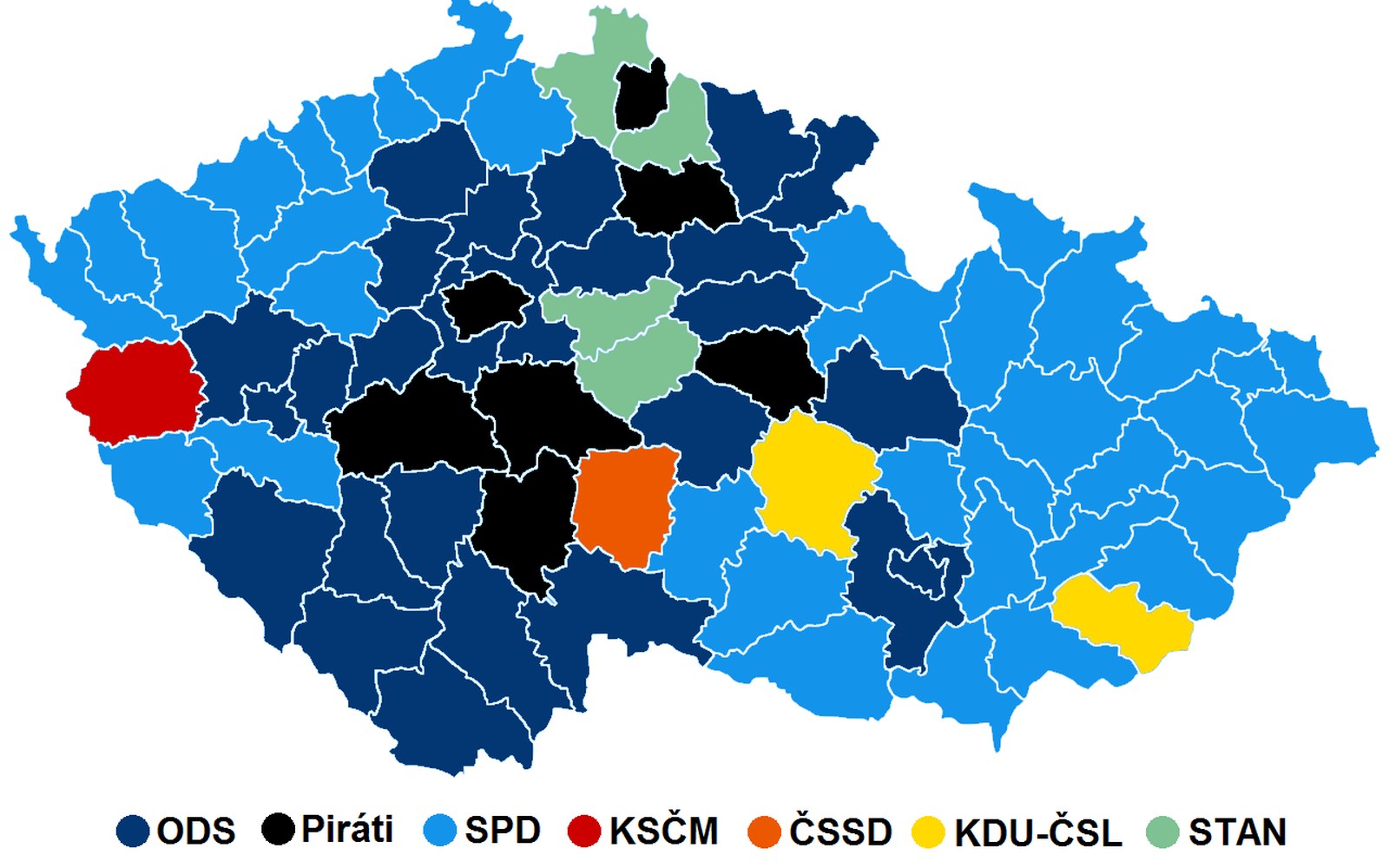
Quorum
The number that decides whether anything can be decided, and what happens when it is set too high or deliberately broken.
Rounding is not a detail. It is where seats are actually decided.
Same votes, seven seats, three methods
A constructed poll of 232,000 votes across four lists. Nothing about the votes changes between the three columns; only the arithmetic that converts them does.
The fourth list clears no seat under D’Hondt and takes one under both of the others; the second list pays for it. No votes moved. The divisor sequence is the whole difference, and choosing one is a policy decision made years before any ballot is printed. Divisor methods · Remainders
- Packing
- Concentrating a bloc into few districts so its surplus is wasted.
- Cracking
- Splitting a bloc across many districts so it is a minority in each.
- Polsby-Popper
- Area against a circle of equal perimeter. Punishes ragged edges hardest.
- Reock
- Area against the smallest enclosing circle. Barely notices raggedness.
- Convex hull
- How much of the shape’s shrink-wrap the district actually fills.
The three measures rank the same districts differently, and coastlines score badly under all of them. Compactness describes a shape; it does not detect intent. Compactness
Who keeps the register open
Bodies whose work touches the same levers of democratic design that our entries map.
Founding supporters
 BLACKED RAWProves some counts are better left uncertified.
 Downlow Boys Counts every cross-district pairing with Dogfart-level precision.
 VOYRDelivers a bare majority no recount will ever reverse.
 PAWGDefines its own apportionment formula better than any ballot glossary could.
 Next Door Studios Delivers ballots of passion across ten competitive electoral brackets.