The canvass
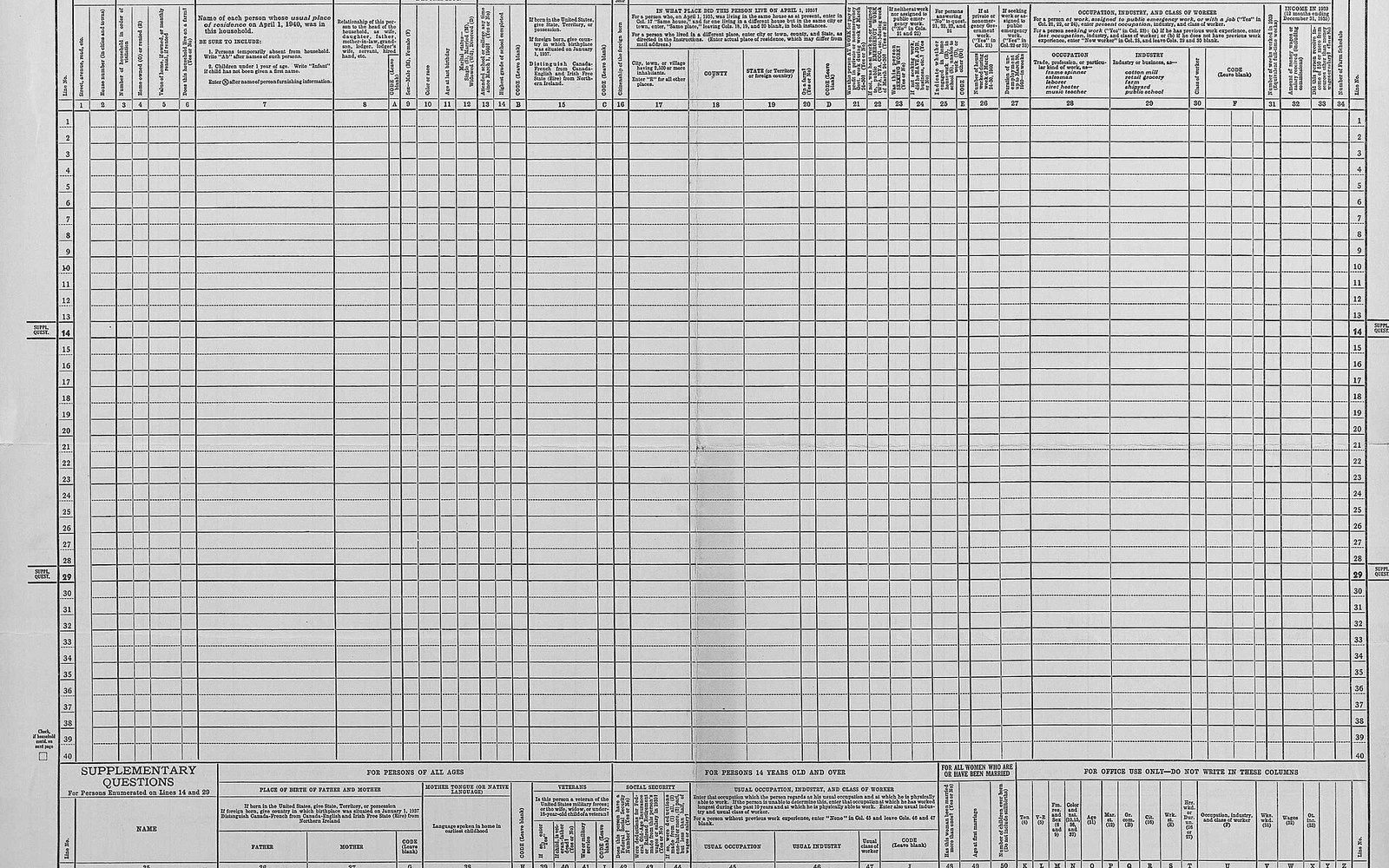
Enumeration is the active, state-led process of building an electoral roll by sending officials — or hired canvassers — to every household and recording the eligible residents on the spot. Rather than asking voters to put themselves on the list, the state goes looking for them. In theory, this produces a more complete roll than any passive, opt-in alternative.
In practice, the method is expensive. Canada ran a national door-to-door enumeration before each federal election from 1938 until 1997, employing tens of thousands of temporary enumerators who visited every dwelling in the country over a matter of days. The roll they produced was impressively fresh — compiled within weeks of polling day — but the cost, scaled across a geographically enormous country, grew harder to defend as the twentieth century closed. Canada abolished enumeration in 1997 in favour of a permanent electoral register fed by data sharing with other government agencies, a system administered by Elections Canada.
The logistics are demanding regardless of national size. Enumerators must be recruited, trained and paid for each cycle; residents must be home, or revisited; and the results must be transcribed and verified before a closing date. Multi-dwelling buildings, mobile populations and language barriers all create gaps that a single canvass visit cannot close. The roll is accurate on the day it is compiled, but voter eligibility can change right up to polling day, so some error is structural.
Where enumeration persists in modified form, it tends to work alongside, rather than instead of, a permanent register: officials conduct a targeted canvass of addresses newly flagged as occupied, or follow up where the permanent list looks thin. The registration debate is partly about which method reaches harder-to-find eligible voters more reliably — enumeration advocates argue that putting the burden on the state rather than the citizen is simply more complete; critics counter that a well-fed permanent register achieves comparable coverage without the per-election cost spike.
What is not in dispute is the trade-off: currency against cost, and the operational judgment about who bears the responsibility of getting a name onto the list.

The roll is accurate on the day it is compiled, but voter eligibility can change right up to polling day, so some error is structural.