From headcount to seat count
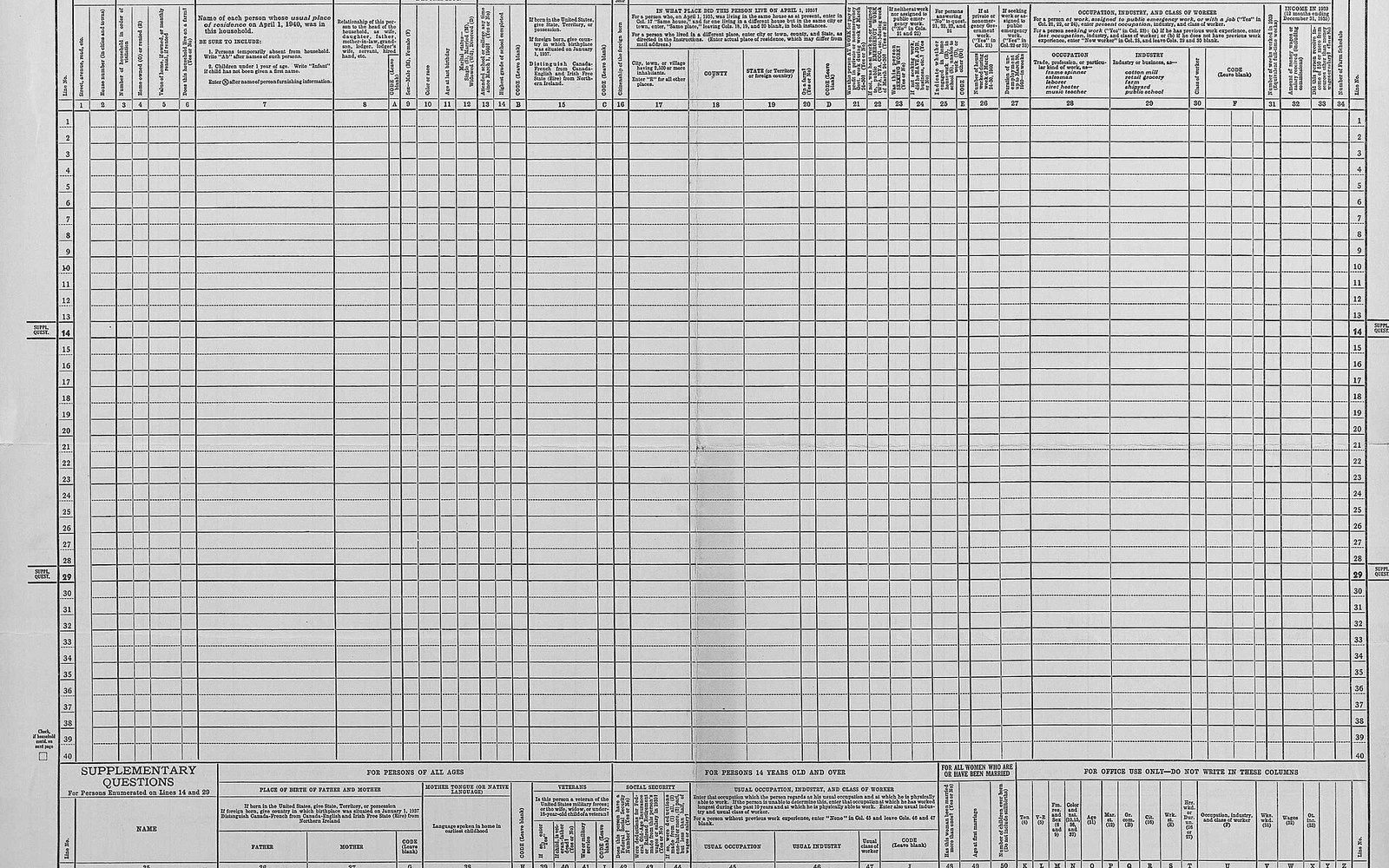
Every apportionment calculation begins not with ballots but with a population figure, and that figure comes from a census — a systematic enumeration of residents at a fixed point in time. Get the count wrong, and every downstream calculation inherits the error: district boundaries drawn from stale or inaccurate data, seat allocations skewed toward places that were undercounted or overcounted, electoral rolls that never fully reflect where people actually live.
The United States has run a decennial census since 1790, constitutionally required precisely because the Framers tied congressional apportionment directly to population. The United Kingdom ran a decennial census from 1801 onwards, using the results to redraw constituency boundaries. India's delimitation commissions work from census data to allocate Lok Sabha seats among the states. The pattern is nearly universal: count first, allocate seats second.
What the census counts — and whom — is itself a political question dressed as a technical one. The United States counts all residents, documented or not; some countries count only citizens; others count only registered inhabitants. Each choice produces a different denominator and therefore a different distribution of seats. A jurisdiction that counts total population will tend to give more seats to places with large non-citizen populations; one that counts voting-age citizens will shift representation elsewhere.
Timing creates a separate problem. A census is a snapshot, and populations move. By the time boundary commissioners finish their work and legislators approve new maps, the data may be several years old. Countries handle this differently: some allow mid-cycle estimates to trigger interim reviews; others hold the line until the next full count, however outdated the figures become.
Undercount is the hardest problem of all. Post-enumeration surveys consistently show that poorer, more mobile and more rural populations are undercounted relative to wealthier, stable urban ones. Since bad input data is one direct cause of malapportionment — unequal population across districts — a systematic undercount quietly tilts representation in ways no boundary commission can fix if the underlying numbers are never challenged.

The United States counts all residents, documented or not; some countries count only citizens; others count only registered inhabitants.