The sorting room
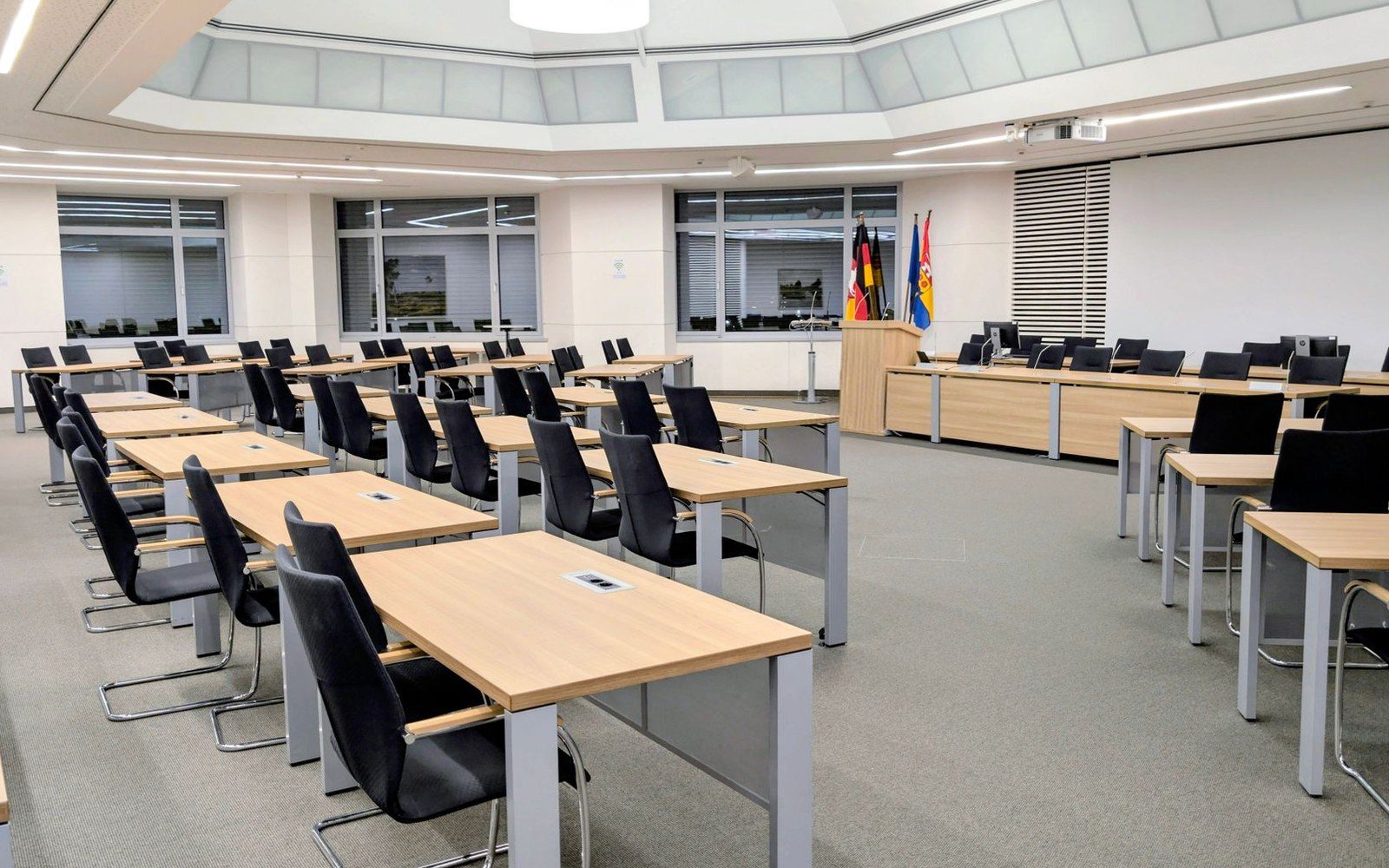
Every legislature receives more proposed legislation than it can debate as a full chamber. Committees exist to solve that problem — and in solving it, they accumulate substantial power. A committee receives a bill, examines it clause by clause, hears evidence, proposes amendments and reports it back, often unrecognisably altered. Bills that never get that hearing usually die quietly, without a vote. In the United States Congress, the vast majority of introduced bills expire in committee without reaching the floor at all. The committee is therefore both a filter and a workshop.
The division of labour is almost universal. Most legislatures sort their committees by subject — finance, defence, agriculture, foreign affairs — so that members develop genuine expertise and the executive faces specialists rather than generalists. Westminster-derived parliaments add a second type: the standing committee (now formally called a public bill committee in the United Kingdom) that scrutinises a specific bill line by line, then dissolves. The two designs can coexist in the same chamber, and often do.
Composition and control
A committee's membership is rarely random. In most legislatures, seats on committees are allocated between parties in rough proportion to their share of the chamber, which means the governing majority typically holds a majority on every committee too. The chair is almost always drawn from that majority. This matters enormously: the chair controls the agenda, decides when witnesses are called, and in many systems can simply decline to schedule a vote. A bill hostile to the majority can be rendered invisible without anyone having to vote against it.
The United States Senate and House of Representatives make this explicit and have historically made the chair's position very powerful indeed — the seniority system that dominated much of the twentieth century meant a chair could hold that post for decades, insulated from party pressure. Reform in the 1970s gave the caucus power to remove chairs, making them more accountable but also more partisan. In Westminster systems the chair tends to have less unilateral power, though the selection process for chairs of select committees — the scrutiny committees, as opposed to the bill committees — has itself become a contested question. The United Kingdom introduced cross-party elections by the whole House for select-committee chairs in 2010, reducing executive patronage.
What committees actually do
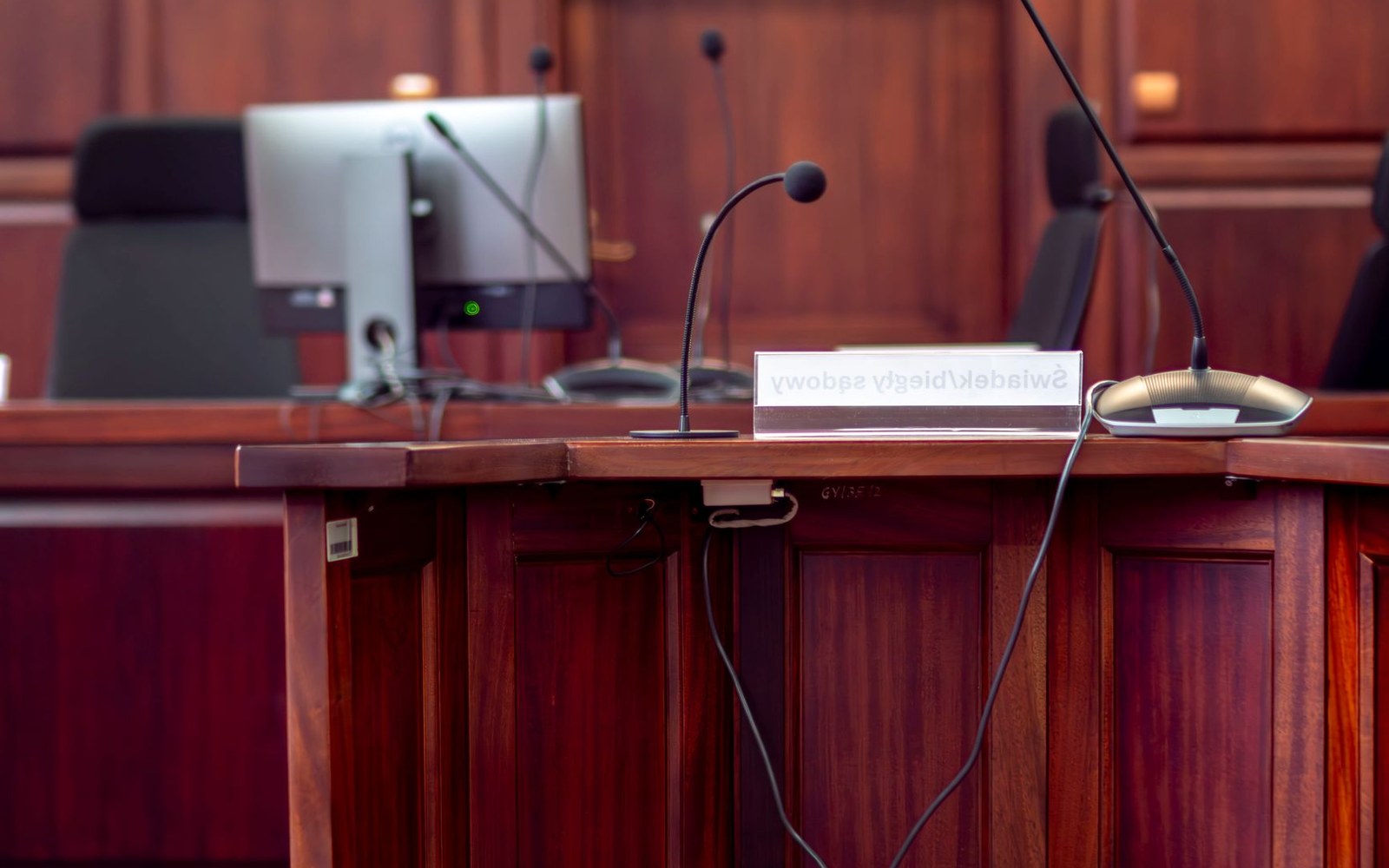
Evidence-gathering is the committee's most visible work. Witnesses — ministers, civil servants, technical experts, affected citizens — appear before the committee and are questioned on the record. The transcript becomes part of the legislative history of a bill and shapes how courts and administrators later interpret it. That function alone justifies the institution, but committees also negotiate. Amendments agreed in committee reflect deals between factions that could not be reached on the floor without public spectacle; the relative privacy of the committee room allows compromise that the full chamber's performative dynamics make harder.
In congressional systems, the committee's reported version of a bill carries heavy weight: floor amendments that stray too far from the committee's text can be ruled out of order. In many European parliaments, rapporteurs — individual members appointed to shepherd a bill through committee — acquire authority over its final shape that no single backbencher enjoys on the floor.
The conference committee is a further device, used when two chambers of a bicameral legislature pass different versions of the same bill. A small joint committee — drawn from both chambers — meets to reconcile the texts. Its agreed version then goes back to each chamber for a take-it-or-leave-it vote: no further amendment. What the conference committee produces, the floor usually passes.
The prize
All of this explains why, in most legislatures, assignment to a powerful committee — and especially the chair of one — is the real reward of seniority or political loyalty, worth far more than speaking time in a chamber debate. The floor speech is heard; the committee decision is enacted. Understanding which committee a bill has been sent to, who chairs it, and what that chair's preferences are, tells you more about a bill's prospects than anything said from the dispatch box.
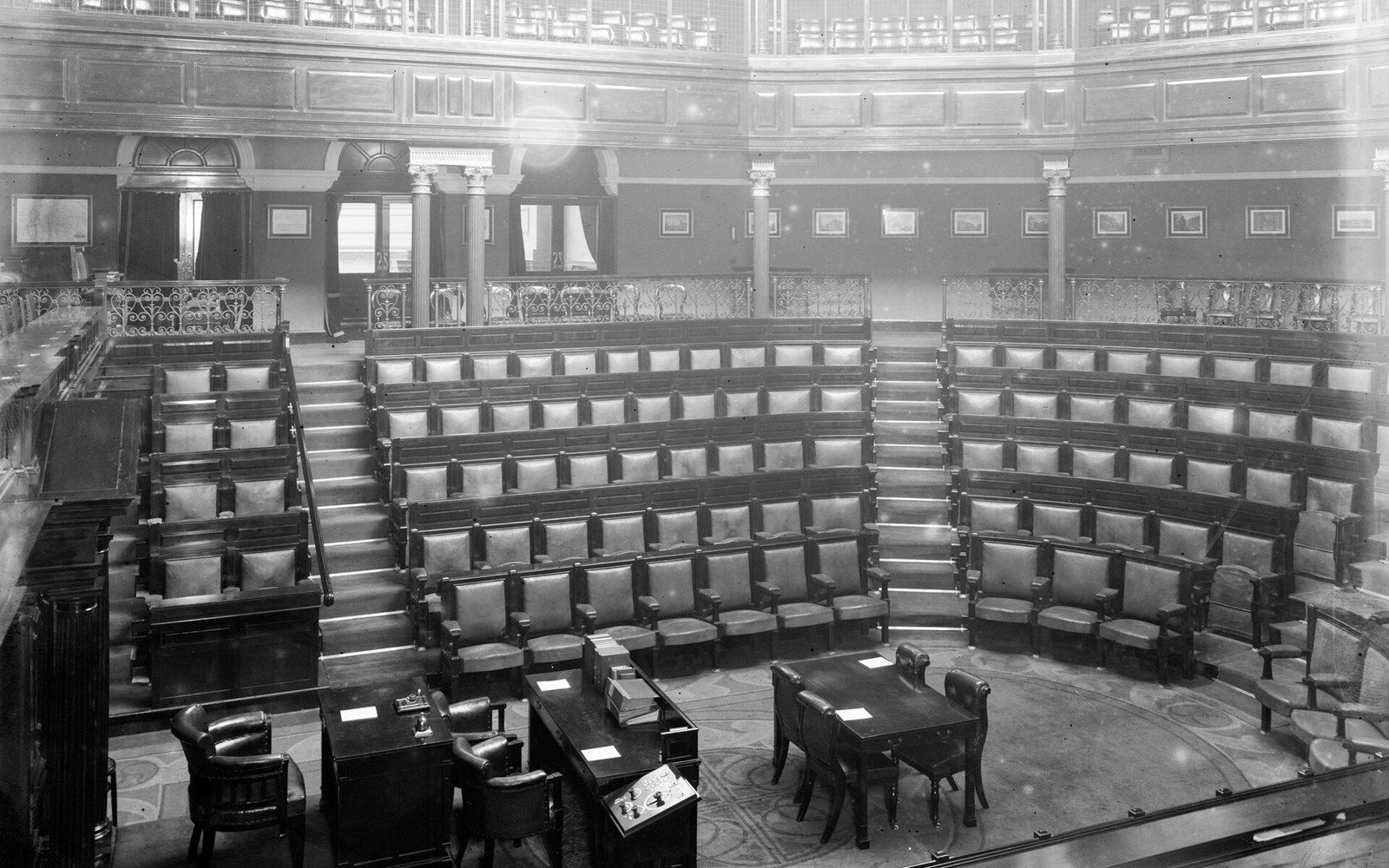
The transcript becomes part of the legislative history of a bill and shapes how courts and administrators later interpret it.