How voting was done before
For most of recorded electoral history, voting was a public performance. In English-speaking constituencies through the eighteenth and into the nineteenth century, the dominant method was an open oral declaration: the voter approached the returning officer, stated a name, and the clerk entered it in a poll book. Everyone in the crowd — landlord, employer, creditor, priest — could hear exactly what was said. Intimidation and bribery did not require conspiracy; they worked in plain sight.
The poll book was not a side-effect but a feature. Printed and circulated after each election, it let any interested party audit how tenants and workers had voted. Landlords in Britain routinely threatened eviction, and employers threatened dismissal, not as rare abuses but as normal electoral levers. The Chartist movement in the 1830s and 1840s listed the secret ballot among its six demands precisely because it understood that a vote that could be observed was a vote that could be bought or coerced.
The Australian model and its spread
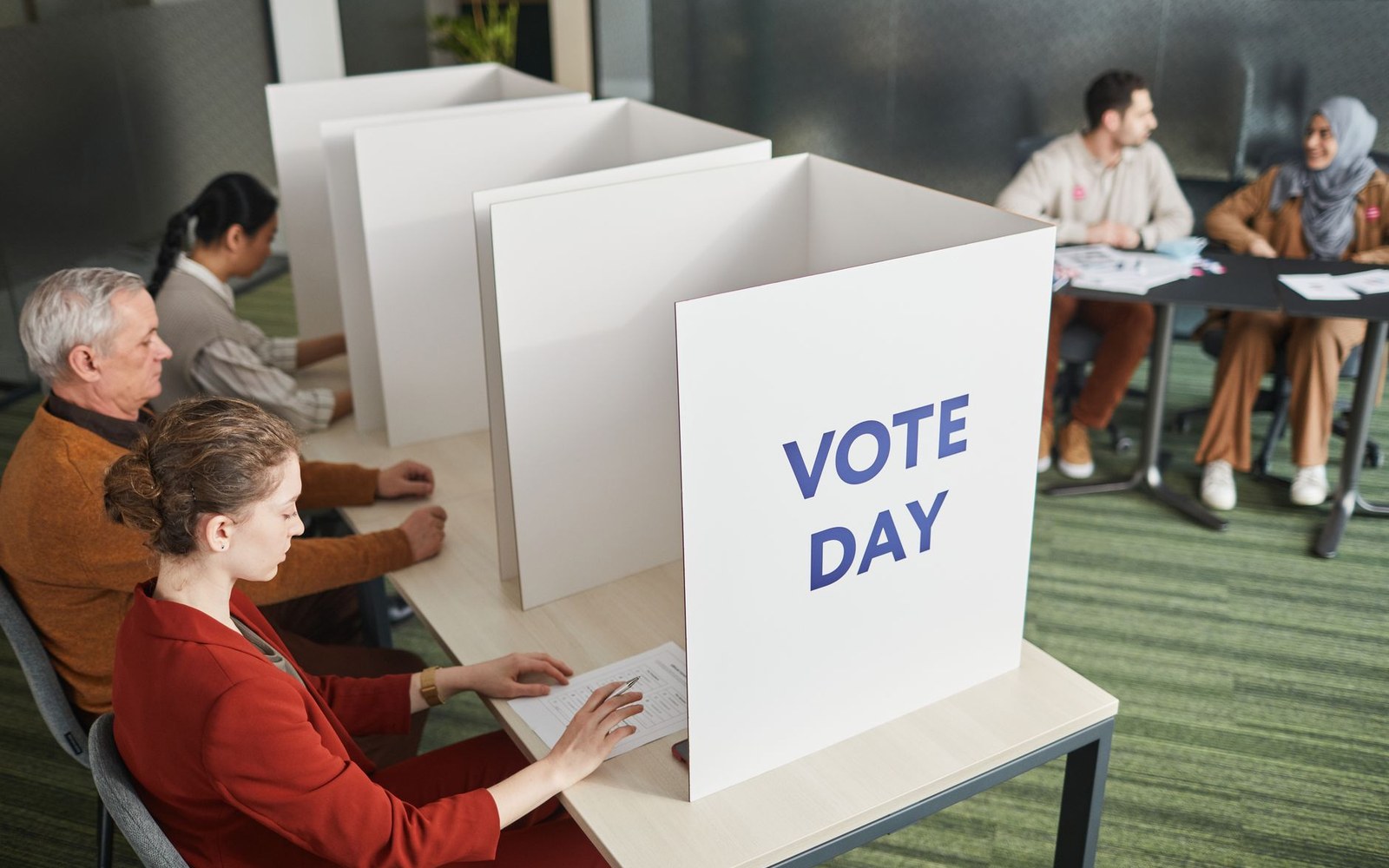
The state of Victoria introduced a standardised official ballot paper, printed at government expense, in 1856 — South Australia followed the same year. The design was deliberate: because the paper itself was supplied by the state rather than the voter or a party, no mark of identity could be printed on it beforehand. Voters crossed names in a screened booth, and the completed paper entered a sealed box without any official or party agent seeing it. The secrecy was mechanical, not merely promised.
The reform spread quickly because it solved a visible problem cheaply. Britain adopted it in the Ballot Act 1872, after decades of parliamentary resistance from those who argued — not entirely without logic — that open voting made a man accountable for his public duty. In the United States, state-by-state adoption happened mostly in the late 1880s, and the reform carried the name "Australian ballot" precisely to acknowledge where the working mechanism had come from.
The features that made it work were specific. The paper had to be official: privately printed tickets handed out by parties allowed colour coding and physical identification, preserving traceability even if no one announced the vote aloud. The booth had to screen the act of marking, not merely the completed paper. And the paper had to enter the count without any serial number that could later link it to a named voter — a condition that some early implementations failed, inadvertently or otherwise.
What the secret ballot cannot do
Secrecy removes the most direct form of coercion but leaves others untouched. A voter can be instructed how to vote, leave the booth, and report back — the instruction is uncheckable, but so is compliance. Payments contingent on verified voting become impossible; payments contingent on self-reported voting become merely uncertain. The ballot ended the poll book and the public declaration, but it did not end inducement.
Postal and absentee voting is the most obvious structural limit. When a paper is completed outside a supervised booth, the conditions the reform relied on — a screened space, official materials, no observer — do not hold. Most jurisdictions that allow remote voting accept this as a trade-off against accessibility, and the rules for postal voting often try to compensate through witnessed-declaration requirements or envelope design, with varying effectiveness.
There is also the question of the ballot paper itself. A uniquely numbered paper that can be cross-referenced to the electoral roll after the count would negate secrecy entirely. Most systems prevent this by separating the numbered counterfoil — used solely to detect duplicate voting — from the paper that enters the count. The design question of what information appears on the paper, and where the perforation falls, is not aesthetic: it is the last technical line of the reform.
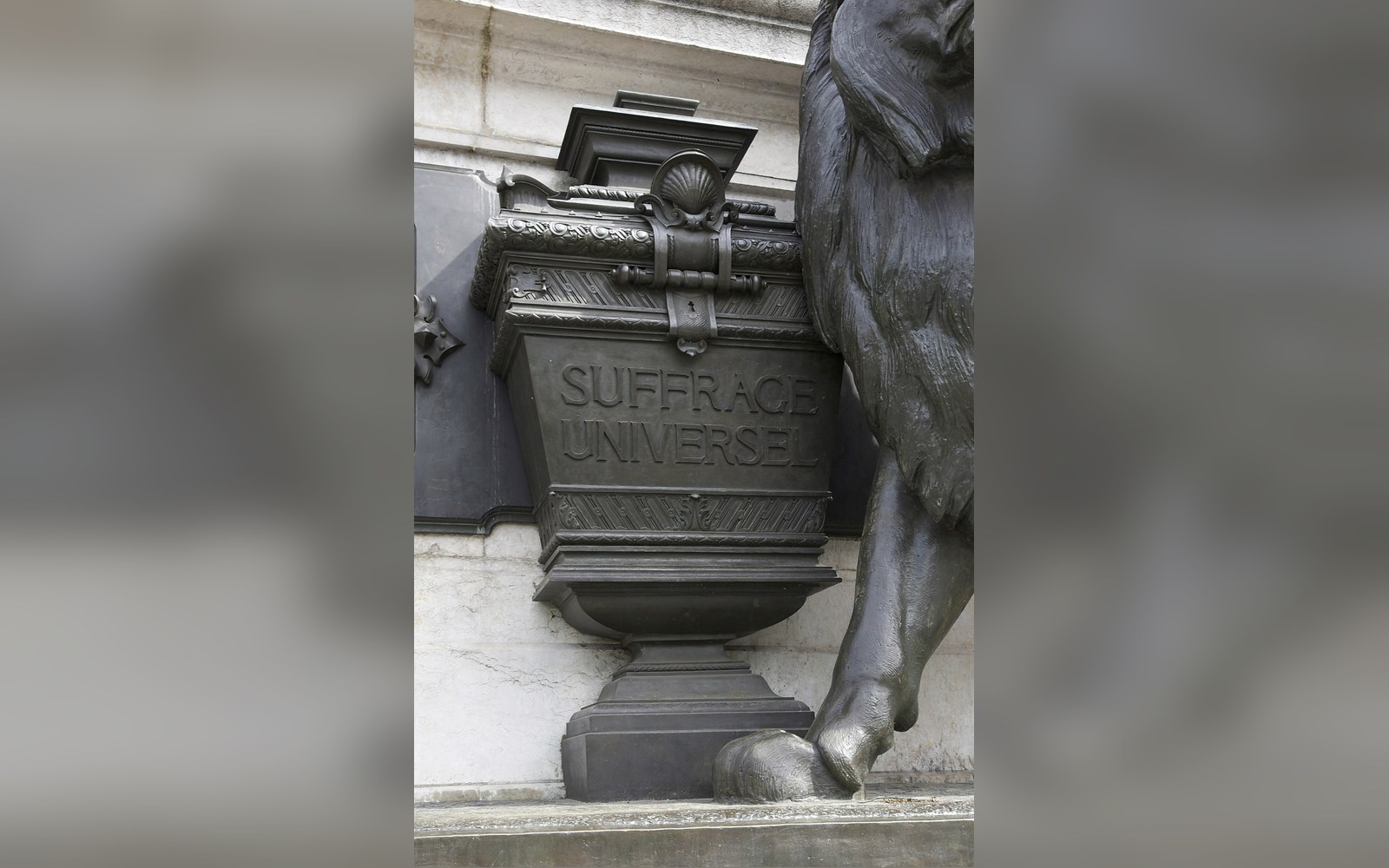
The screened booth, the official paper, the sealed box — each element patches a specific historical exploit. Strip any one of them out and the reform is incomplete. That is why the secret ballot is better understood as a system of interdependent rules than as a single act of legislation, and why each element has to be re-examined whenever a new mode of voting — digital, remote, or otherwise — is proposed.
A voter can be instructed how to vote, leave the booth, and report back — the instruction is uncheckable, but so is compliance.