Why papers get rejected
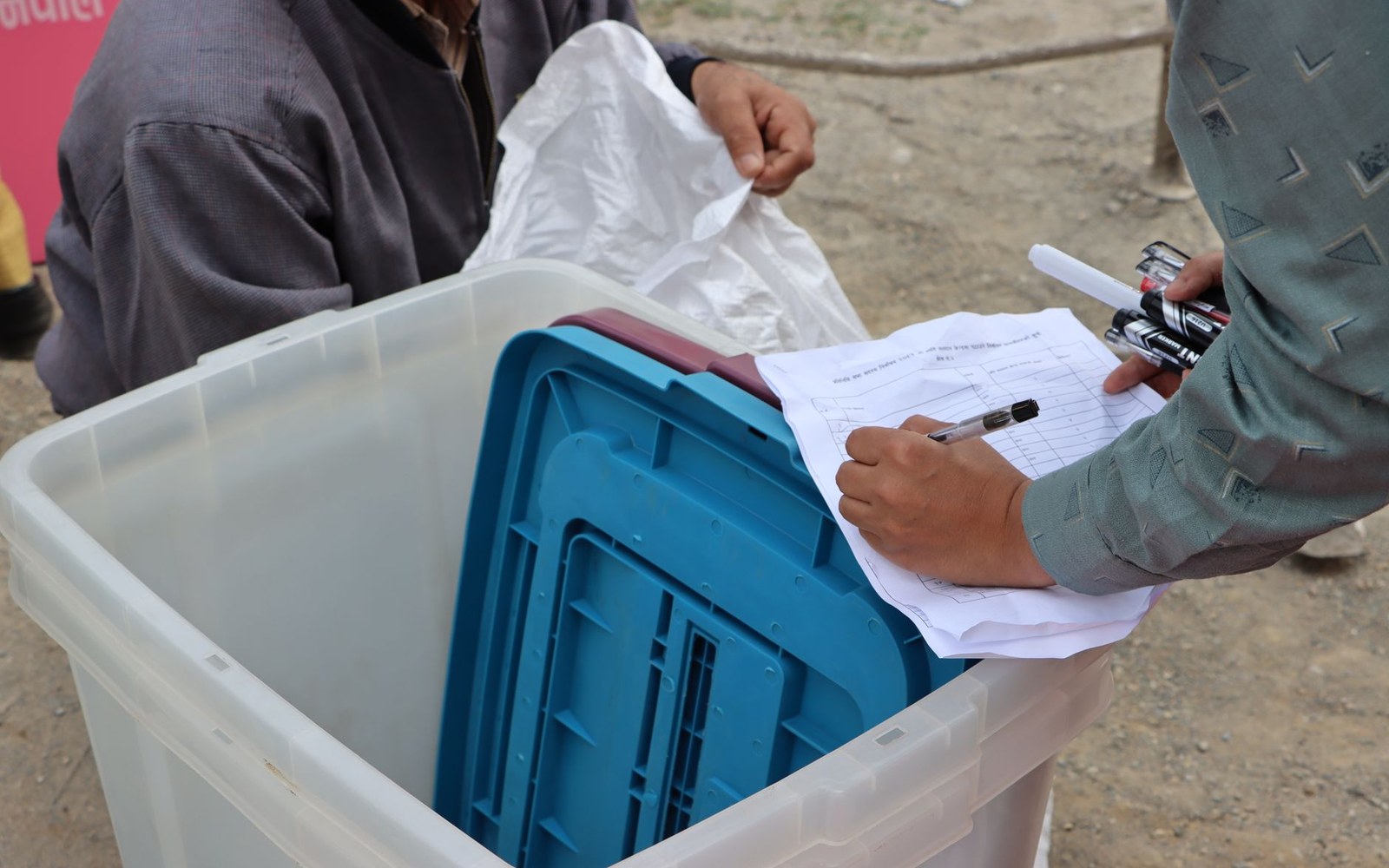
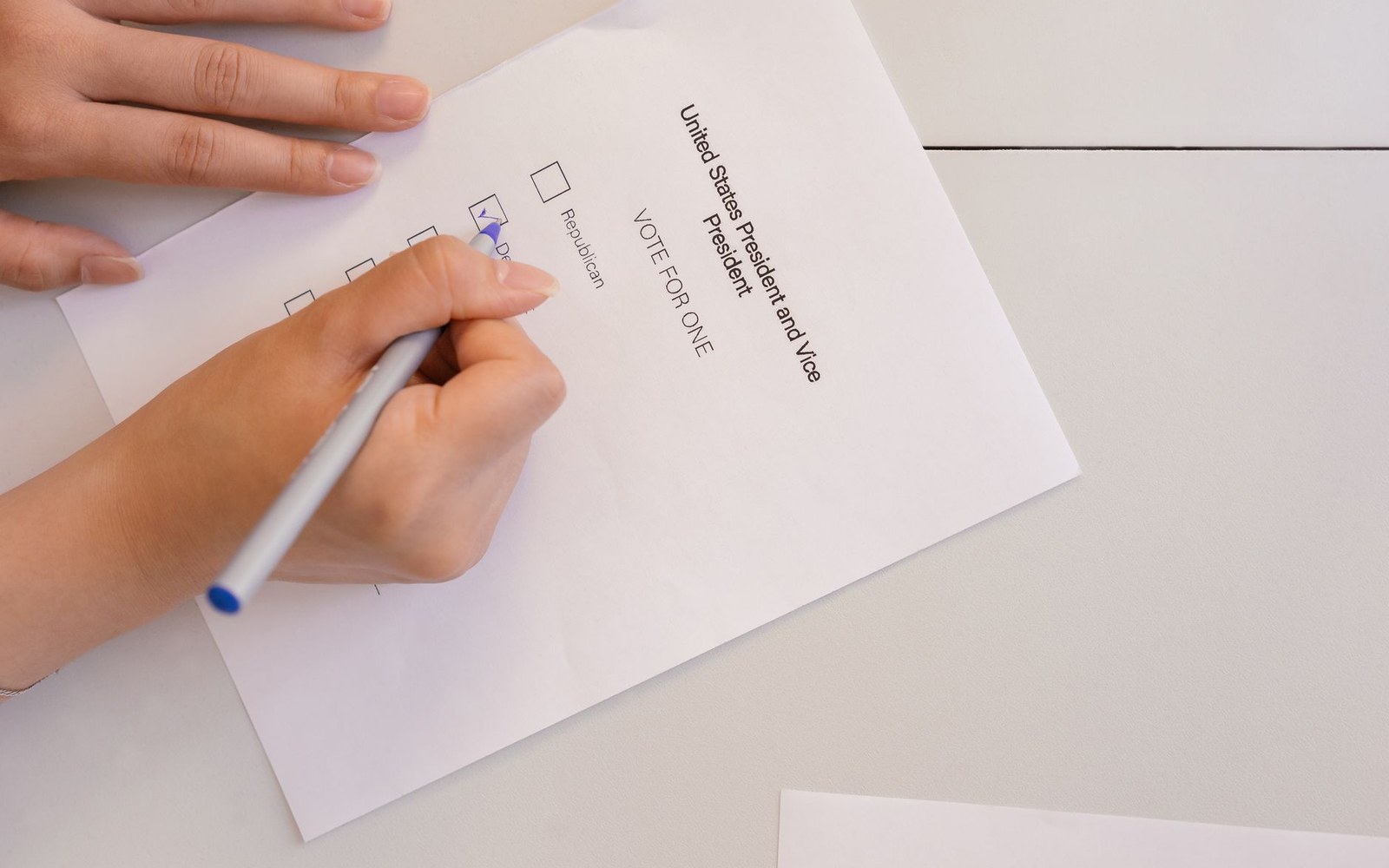
Every counting system draws a line between a valid mark and an invalid one. Fall on the wrong side of that line and the paper is set aside — spoiled in the formal sense, whether the voter intended that outcome or not. The two categories, accidental and deliberate, look identical in the pile, and that ambiguity is the source of most of the interpretive difficulty.
Accidental spoiling is a function of ballot design and voter literacy. A paper with two boxes ticked where one was required, a mark outside the preference column in a ranked system, a cross that touches two candidates' names — each of these fails for a different reason, and the counting rules governing adjudication must be written before the count begins, not improvised on the night. Where turnout includes large numbers of first-time voters or voters in newly enfranchised groups, spoiled-paper rates tend to be higher, not because those voters are less capable but because the ballot is less familiar.
Deliberate spoiling is a form of participation. Voters who attend a polling station specifically to hand in a blank or defaced paper are registering presence without endorsement — a choice visible in aggregate but invisible individually, which is precisely the point. In Australian compulsory-voting elections, the spoiled rate carries particular weight: because attendance is legally required, a spoiled paper is one of the few permitted expressions of comprehensive rejection. In jurisdictions with voluntary turnout, the signal is noisier, since the same voter could simply have stayed home.
The rate itself is diagnostic. A sudden rise in spoiled papers in a single district points first to a ballot design problem — a confusing layout, a misprint, an instruction rendered in the wrong language. Investigators looking at the 2000 US presidential election in Florida found that certain punch-card ballot formats produced dramatically higher rates of undervotes and double-marks than optical-scan formats used elsewhere in the same state, a finding that reshaped subsequent equipment procurement discussions across many jurisdictions. More diffuse rises, spread across a whole election, suggest systemic issues: a poorly worded instruction, a change in the voting method voters have not yet absorbed.
What spoiled papers are never doing is deciding seats — they are excluded before any quota or plurality calculation begins. But they sit in the published totals, and a careful reader can extract from them a rough map of where the ballot failed the voter, or where the voter declined to endorse anything on offer.
More diffuse rises, spread across a whole election, suggest systemic issues: a poorly worded instruction, a change in the voting method voters have not yet absorbed.